


A Crown Designed and Placed in One Visit
CEREC stands for Chairside Economical Restoration of Esthetic Ceramics. The idea is simple: instead of taking a messy putty impression, sending it to an outside lab, and wearing a temporary crown for weeks, we scan your tooth digitally, design the restoration on screen, and mill it from a solid block of ceramic right here in our office.
Dr. Cris Turman completed advanced CEREC training at SPEAR Education in Scottsdale, Arizona. He has been using CEREC CAD/CAM technology at Turman Dental for years, and it is one of the tools he relies on most for same-day crowns, dental crowns, inlays, and onlays.
- Same-day ceramic crowns, inlays, and onlays
- Digital scan replaces putty impressions
- No temporary crown in most cases
- SPEAR Education advanced CEREC training
- Solid ceramic matched to your tooth shade
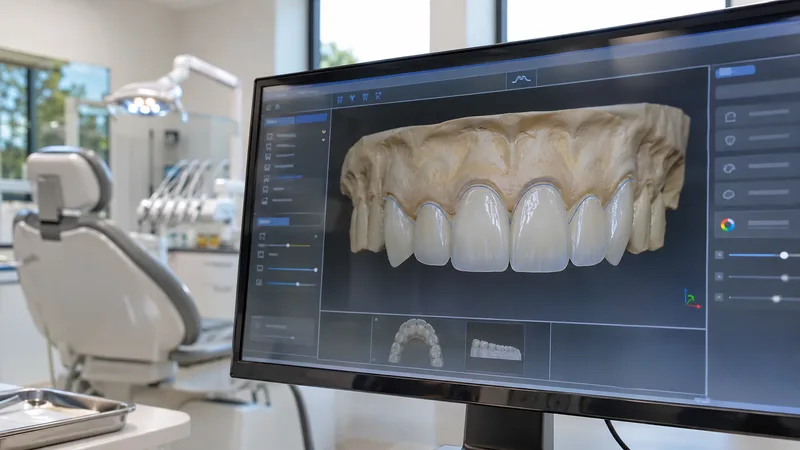
CAD/CAM Dentistry in Four Steps
CAD/CAM stands for computer-aided design and computer-aided manufacturing. In practice, it replaces trays of impression putty and weeks of waiting with a workflow you can follow from the chair:
1. Scan
A handheld camera captures your prepared tooth and the teeth around it as a 3D digital model. It is faster and tidier than traditional impressions, and there is nothing to bite down on or gag over.
2. Design
The software proposes a restoration shape, and Dr. Turman adjusts it on screen to fit your bite, your neighboring teeth, and your smile. You can see the design before it is made.
3. Mill
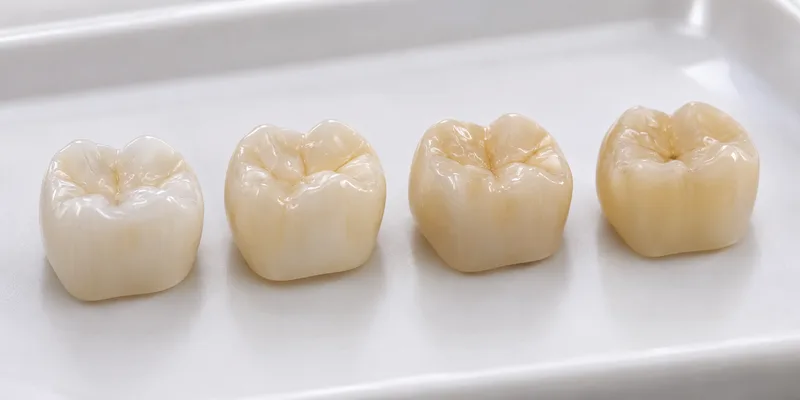
A milling unit in our office carves the restoration from a solid block of dental ceramic selected to match your tooth shade. Milling takes roughly 10 to 15 minutes.
4. Place
We check the fit, color, and bite, make any final adjustments, and bond the restoration to your tooth. You leave with a permanent crown, not a temporary.
CEREC vs. a Lab-Made Crown
- Visits: CEREC restorations can often be completed in one appointment. Lab-made crowns typically require two visits with a temporary in between.
- Temporaries: A same-day restoration means no temporary crown to wear, worry about, or have come loose.
- Impressions: Digital scanning replaces putty impressions, which many patients find more comfortable and less likely to trigger a gag reflex.
- Material: CEREC crowns are milled from solid ceramic blocks. Lab crowns can be made from a wider range of materials, including porcelain fused to metal.
- Best fit for your case: Some teeth, bites, or aesthetic goals are better served by a lab-made restoration. Dr. Turman will tell you which approach suits your case and why.

Training That Matches the Technology
Owning CEREC is only part of the picture. Dr. Cris Turman completed advanced CEREC and CBCT training at SPEAR Education in Scottsdale, AZ, a well-known continuing education program in dentistry. He earned his DDS from the University of Minnesota in 2005 and has more than 20 years of clinical experience.
That training means he understands not just how to run the software, but how to read a digital scan, design a restoration that fits your bite precisely, and choose when CEREC is the right tool versus when a lab-made crown would serve you better.
You can learn more about Dr. Turman and his approach.
Why Patients Choose CEREC at Turman Dental
One Visit, One Crown
Most CEREC crowns are scanned, designed, milled, and placed in a single appointment. No temporary, no second trip.
SPEAR-Trained Precision
Dr. Turman completed advanced CEREC training at SPEAR Education, so your restoration is designed by someone with dedicated training.
Same-Day Crowns in Linton
Patients from Strasburg, Napoleon, Wishek, Hazelton, Hague, Braddock, Zeeland, and northern SD get CEREC restorations without driving to a larger city.
Your CEREC Appointment, Step by Step
What to expect from start to finish
Exam and Preparation
Dr. Turman examines the tooth, removes any decay or old material, and prepares the surface for the restoration.
Digital Scan
A handheld camera captures a 3D image of your tooth and the surrounding teeth. No putty, no gagging.
On-Screen Design
The software proposes a restoration shape. Dr. Turman adjusts it for fit, bite, and aesthetics before milling.
In-Office Milling
The milling unit carves your crown from a solid ceramic block matched to your tooth shade. This takes roughly 10 to 15 minutes.
Fit, Adjust, and Bond
We check the fit and color, make any final adjustments, and permanently bond the restoration to your tooth.
CEREC FAQ
Common questions about same-day crowns at Turman Dental in Linton