


A Crack You Cannot Ignore
A cracked tooth can be difficult to diagnose on your own. Sometimes there is a sharp pain when you bite down. Other times the tooth feels fine for weeks and then suddenly aches when you drink something cold. The tricky part is that cracks do not always show up on a standard x-ray, and they do not heal on their own.
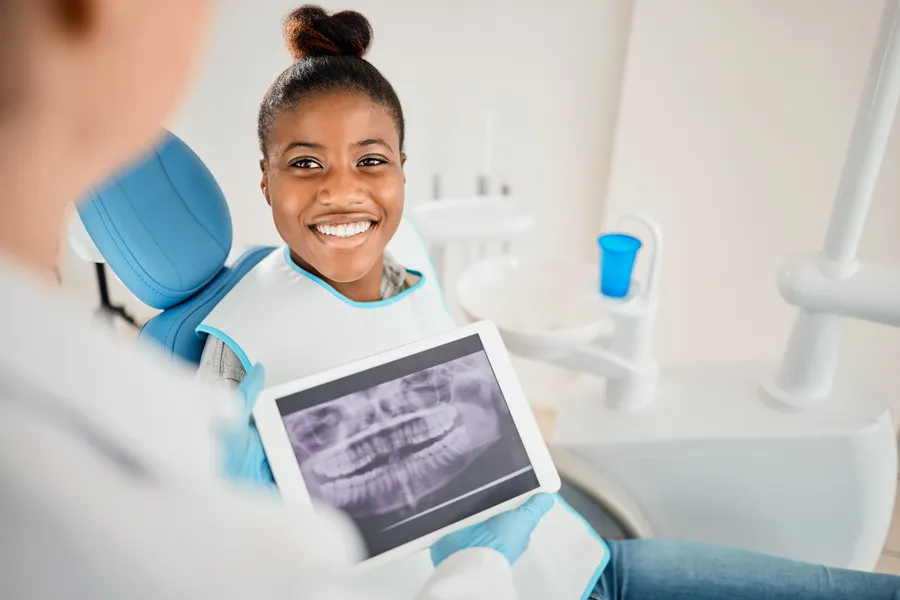
At Turman Dental, Dr. Turman uses digital x-rays, 3D CBCT imaging, and clinical testing to locate the crack and assess how far it extends. The evaluation determines whether the tooth can be repaired, what type of restoration makes sense, and whether additional treatment is needed.
Call (701) 254-4521 or request an appointment online if you think you may have a cracked tooth.
- Digital and 3D imaging to locate hidden cracks
- Bite testing and transillumination
- Same-day crown option for many restorable cracks
- Honest guidance — we tell you what can and cannot be saved

Signs You May Have a Cracked Tooth
Cracks behave differently from cavities. The pain is often inconsistent, which can make it tempting to wait. These are common signs that a tooth may be cracked:
- Sharp pain when biting or chewing that disappears quickly
- Sensitivity to hot, cold, or sweet foods and drinks
- Pain that comes and goes but does not stay constant
- Discomfort around a specific tooth that is hard to pinpoint
- A visible line or rough edge you can feel with your tongue
- Swelling of the gum near a particular tooth
Not every cracked tooth causes pain, and not every toothache means a crack. An exam with imaging is the most reliable way to find out what is going on.
Not All Cracks Are the Same
The location and depth of a crack determine what can be done. Some cracks affect only the outer enamel, while others reach the nerve or extend below the gum line.
Craze Lines
Tiny surface-level lines in the enamel. They are common in adults and usually do not require treatment unless they cause cosmetic concern.
Fractured Cusp
A piece of the chewing surface breaks off, often around an existing filling. The tooth can usually be repaired with a crown or onlay.
Cracked Tooth
A crack that runs vertically from the chewing surface toward the root. If caught early and the crack has not reached the root, the tooth may be treatable with a crown. If the crack extends into the nerve, root canal treatment may be needed before placing a crown.
Split Tooth
A crack that has progressed far enough to separate the tooth into distinct segments. A split tooth generally cannot be saved intact, though in some cases part of the tooth may be preserved.

How We Treat Cracked Teeth
Treatment depends on where the crack is, how deep it goes, and whether the nerve is affected. Dr. Turman will explain your specific situation and recommend the most conservative option that addresses the problem.
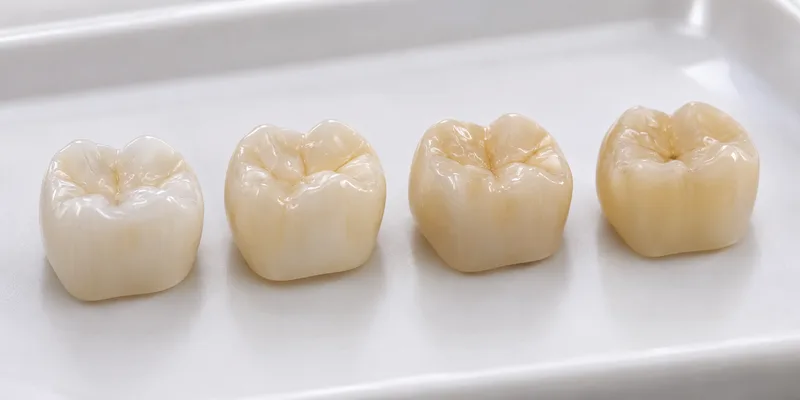
- Crown: A dental crown covers and reinforces a cracked tooth, holding the pieces together and distributing bite force. Many crowns can be completed in a single visit with our CEREC same-day system.
- Bonding or filling: Minor cracks or chips may be repaired with a tooth-colored composite filling or bonding material.
- Root canal and crown: When a crack reaches the nerve, root canal treatment removes the damaged tissue, and a crown protects the remaining tooth structure.
- Extraction: If a crack extends below the bone line or the tooth has split, the tooth may not be restorable. In that case, Dr. Turman will discuss replacement options such as a bridge or implant restoration.
Every cracked tooth is different. We do not recommend treatment until we have examined and imaged the tooth and understand the full picture.
Why Choose Turman Dental for a Cracked Tooth
Advanced Diagnostic Imaging
Digital x-rays and 3D CBCT imaging help locate cracks that are invisible to the eye and do not appear on standard film.
Same-Day Crown Option
If a crown is the right repair, our CEREC system can design, mill, and place it in one visit. No temporary, no second trip.
Honest About What We Find
We tell you exactly what we see, what can be done, and what cannot. You make the decision with clear information.
What to Expect at Your Evaluation
A clear walkthrough from arrival to recommendation
Tell Us What You Are Feeling
Describe the pain, when it started, and what triggers it. Even vague or inconsistent symptoms help narrow things down.
Exam and Imaging
Dr. Turman examines the tooth visually, checks your bite, and uses digital x-rays or 3D CBCT imaging to identify the crack and assess its extent.
Diagnosis and Options
We explain where the crack is, how far it extends, and what treatment options are appropriate. You will understand the trade-offs before any work begins.
Treatment
If you are ready to proceed, we can often begin the same day. For crowns, our CEREC system can complete the restoration in a single visit for many cases.
Cracked Tooth FAQ
Common questions about cracked teeth at Turman Dental in Linton